Leading with Clarity in Times of Crisis


What COVID-19 Taught Us About Leadership
When the world locked down in March 2020, Malaysia, like every other nation, entered the pandemic with a deep sense of fear and uncertainty. But looking back now, our COVID-19 story isn't just a tale of struggle. It's a complex, mixed narrative that reveals some quiet, critical strengths that got us through the worst, and some equally critical weaknesses we can no longer ignore.
Global observers often highlighted Malaysia's journey. Why? Because we entered the crisis with a few secret weapons: a remarkably strong public health system, disciplined government agencies, and a foundational culture of compliance.
Our story is a masterclass in crisis management, showing both our potential for excellence and our biggest blind spots. Here’s a breakdown of what we did well, where we struggled, and the three crucial lessons that will define our readiness for the next crisis.
The Strengths: What Malaysia Got Right
- Decisive, Early Action: In the crucial first wave, Malaysia acted quickly and with impressive force:
- Decisive Movement Restrictions (MCO): We were early to shut down, which slowed the spread dramatically.
- Clear Communication: The Ministry of Health (MOH) and the Home Ministry delivered clear, data-driven daily briefings that built early public trust.
This early response earned international praise. The Lancet noted our rapid suppression efforts. The Harvard Business Review pointed to our transparency and fast detection. And the WHO specifically highlighted our capacity to prevent a complete hospital collapse. We acted early, communicated clearly, and protected our core systems.
2. National Resilience & High Compliance: Malaysians complied with movement restrictions, mask mandates, MySejahtera check-in, WFH and PdPR pivot, and SOPs at a level many Western countries struggled to achieve. This wasn't passive adherence. It was a form of national solidarity. This collective discipline bought precious time for our health system to stabilize, procure resources, and prepare.
3. Operational Discipline on the Frontlines: Behind the scenes, the discipline was staggering. Frontliners carried the weight of the nation:
- Hospitals expanded ICU and ward capacity at speed. I was personally hospitalised for a major surgery during the first MCO and the level of care that I received was top-notch.
- Essential services maintained near-perfect continuity.
- The massive national vaccination program operated with clinical precision, blending public and private sector effort seamlessly.
The Struggles: Where Our System Fractured
While institutions and frontliners performed exceptionally, the top-down layer exposed deep, systemic fragilities.
1. Policy Whiplash from Political Instability: The single most significant weakness was the constant political turbulence. Rapid leadership changes led to inconsistent policy shifts, which created widespread public confusion right when people needed calm and clarity. A crisis communication plan simply cannot withstand constant changes in direction.
2. Inconsistent and Fragmented Messaging: As the pandemic dragged on, announcements began to feel like whiplash. Different ministries and politicians issued overlapping, often contradictory, statements. SOPs changed rapidly, often without clear, sufficient explanation. When the 'single national voice' breaks down, public confidence and compliance eventually erode.
3. The Deepening of Socio-Economic Gaps: COVID-19 brutally exposed the nation's inequalities. Low-income families and daily wage earners faced disproportionate hardship. Access to basic needs such as ood, digital tools for learning and safe housingbecame a matter of life and death under lockdown. The crisis revealed that a resilient nation must protect everyone, not just those already equipped to withstand the disruption. We urgently need a stronger, more equitable social safety net.
The Core Lesson: Resilience is Built on Trust, Not Just Hospitals
The last few years showed us that Malaysia is capable of true institutional excellence. But they also proved that trust, stability, and equality are just as vital as our medical response. Future crisis readiness depends on three non-negotiable pillars:
1. Stable Leadership: Communication must be consistent, grounded in data, and free from political upheaval.
2. A Single Coherent Voice: During emergencies, there must be one clear, central authority speaking to the nation.
3. Inclusive Crisis Planning: Our response must start by addressing the socio-economic vulnerabilities of our most fragile communities first.
COVID-19 was a painful, difficult chapter. But it served as a national stress test, revealing both our profound strengths and our unavoidable blind spots. If we commit to carrying forward these lessons, Malaysia will not just respond well to the next crisis, we will be prepared to thrive through it.
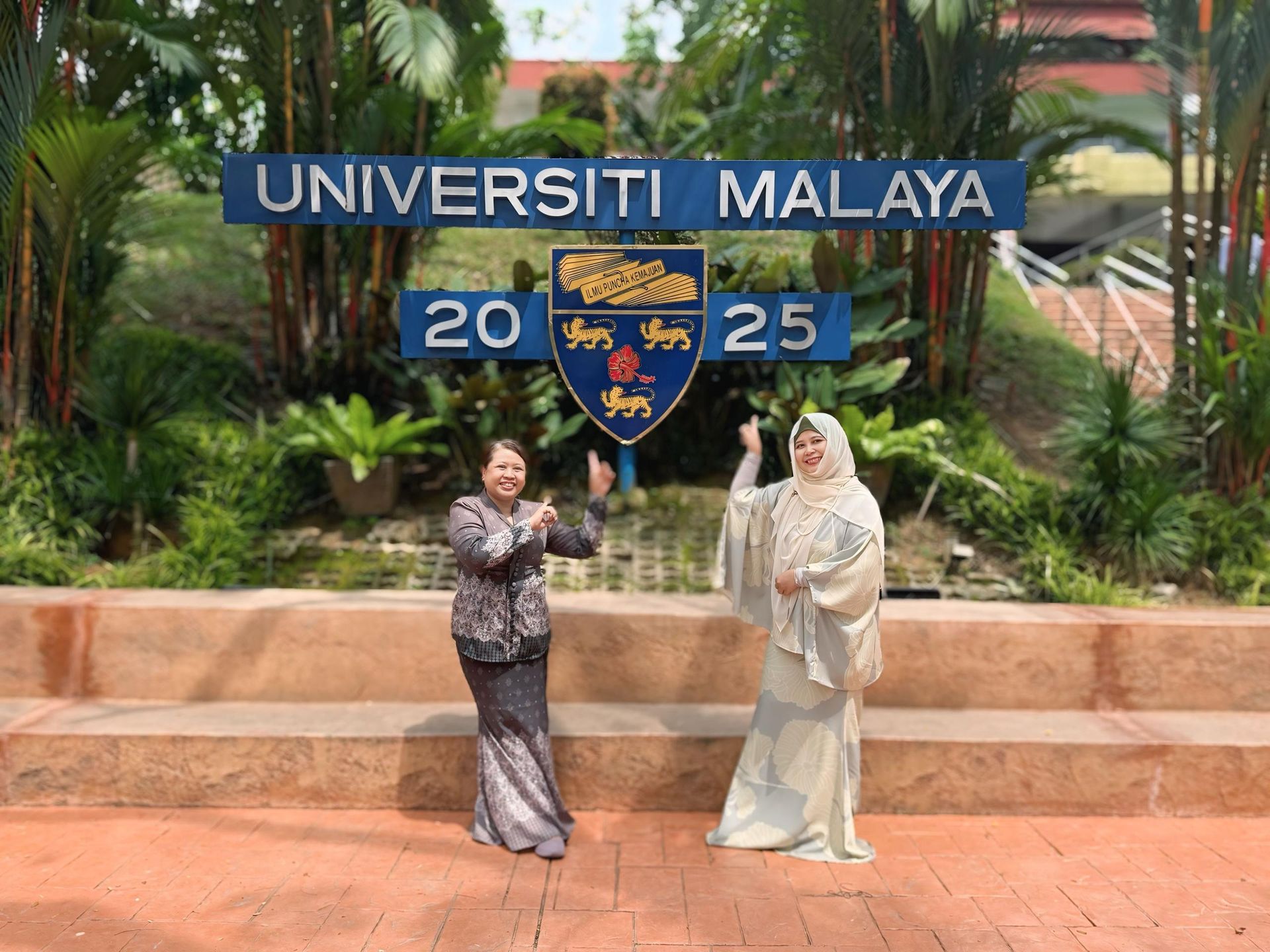
My thanks to Dr Natasha Lee for inviting me to give the lecture and Puan Hajjah Azlin Mohd Said for facilitating the session.
Click here to download the lecture's presentation deck: Leading With Clarity In Times of Crisis