
A Practical Coffee Shop Strategy for First-Time Café Owner


Someone asked me recently what I thought would be a good coffee shop strategy for someone completely new to the business.
My advice is simple: start small, stay disciplined and build a café that is easy to operate.
It is very easy to get carried away when planning a coffee shop. You start imagining beautiful interiors, elaborate menus, signature drinks, branded merchandise and customers queuing around the block.
But a café is not only a creative project. It is an operational business.
Every extra drink, ingredient, appliance and menu item creates more work. It affects your purchasing, storage, staff training, preparation time, wastage and consistency. What looks exciting on Instagram can become extremely stressful behind the counter.
Here are the things I would focus on.
1. Focus on the beverages and keep the menu small
Your beverages should be the heart of the business. It is tempting to launch with a long menu filled with creative and highly specialised drinks. You may feel that you need something unusual to stand out from every other café in town.
There is nothing wrong with having signature drinks. In fact, one or two good signature beverages can help give your café an identity. But you do not need ten of them.
Most customers will still reach for familiar coffee, tea and chocolate drinks. They want an Americano, latte, cappuccino, mocha, matcha, chocolate or iced tea. These are the drinks that will usually keep your business moving on an ordinary weekday.
A smaller menu allows you to:
- train your staff more quickly;
- maintain consistent quality;
- control your ingredient costs;
- reduce wastage;
- serve customers faster; and
- step behind the counter yourself when necessary.
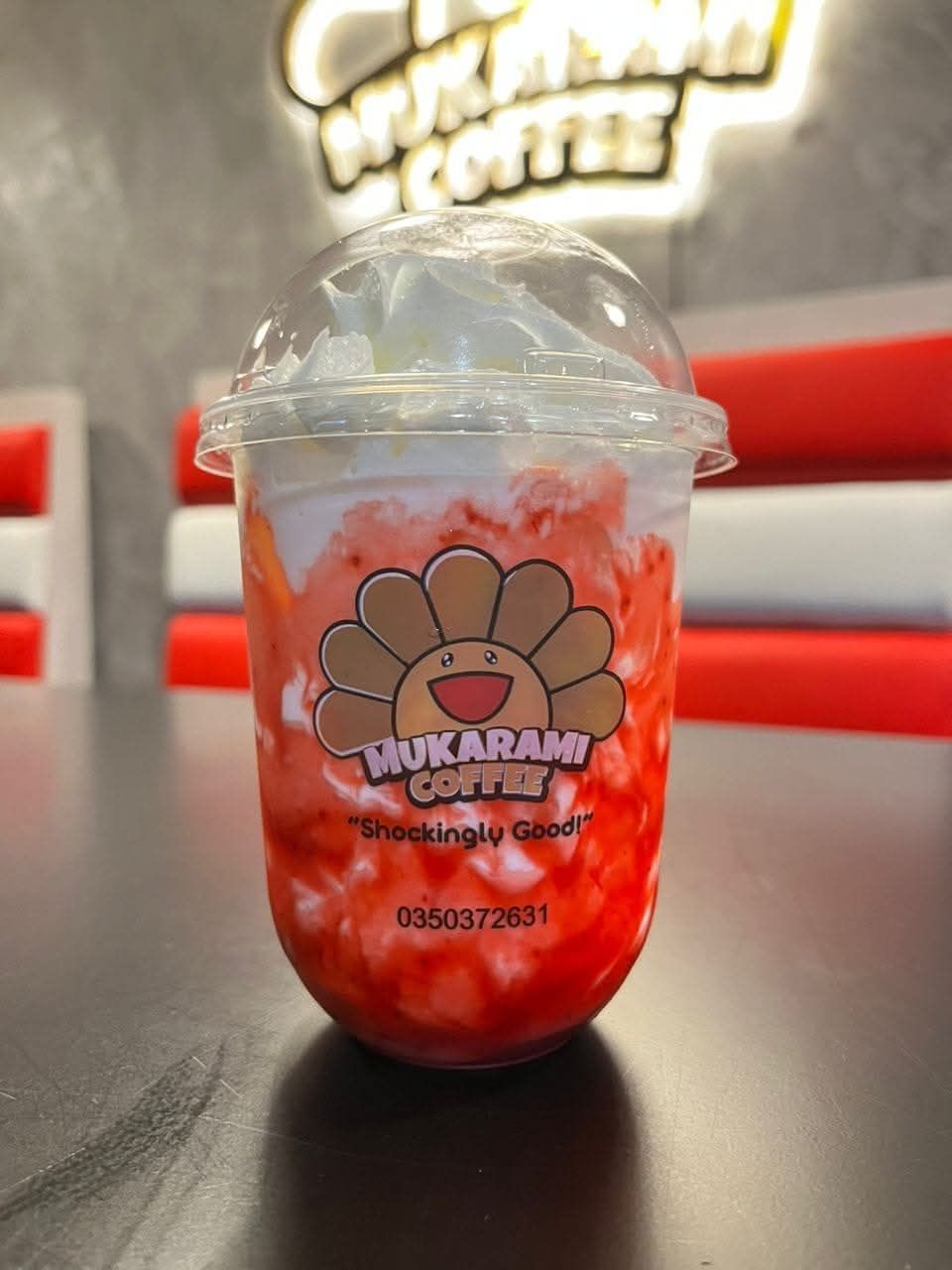
That last point is important. There may be days when one or two baristas cannot come to work and you have to take over. That is not the moment you want to flip through 2,000 possible drink combinations to work out how to prepare a frozen dirty strawberry matcha latte with yoghurt boba, fresh cream, Biscoff cookie crumble and milk chocolate swirl.
2. Choose food that is easy to prepare and assemble
If you want to offer food, choose items that do not require a full restaurant kitchen.
A kitchen introduces a completely different level of complexity. You need more equipment, more workers, more storage space, more preparation time and more systems for cleaning and food safety. Where possible, choose food that mainly requires preparation and assembly rather than firing up a wok or deep fryer for every order.
Poke bowls can work well because you mainly need to prepare the rice or quinoa, while the vegetables, proteins, toppings and sauces can be assembled when the customer orders.
Toasted sandwiches are another practical option. A good panini grill, good bread, quality cheese and a few well-chosen fillings can give you a satisfying food menu without turning the café into a full-service restaurant.
You can also consider pastries, cakes, salads, wraps or simple breakfast items, depending on your customer base.
The goal is not to create the longest menu possible. The goal is to offer enough food to complement your beverages, increase the average amount each customer spends and encourage people to stay for a meal.
3. Build the menu around shared ingredients
Every ingredient you bring into the café should ideally be used in more than one item. If you buy strawberries for only one specialty drink, there is a good chance that you will eventually throw strawberries away.
If the same strawberries can be used in a drink, a yoghurt bowl and a dessert, they become much easier to manage.
The same principle applies to sauces, syrups, vegetables, cheeses, bread, fruit and proteins.
A well-designed menu is interconnected. Ingredients move across several products instead of sitting in the refrigerator waiting for one very specific order. This helps you control:
- purchasing;
- storage;
- spoilage;
- wastage;
- preparation time; and
- cash tied up in inventory.
It also makes it easier to introduce seasonal specials without buying an entirely new set of ingredients.
4. Understand the real cost of every item
A café can look busy and still lose money. Before setting your prices, work out the actual cost of every item you sell. Do not calculate only the coffee beans, milk or bread.
You must also include things such as:
- cups and lids;
- straws and stirrers;
- napkins;
- sauces and garnishes;
- takeaway containers;
- delivery packaging;
- platform commissions;
- payment charges;
- wastage; and
- complimentary items.
You also need to understand your fixed operating costs, including rent, salaries, utilities, licences, maintenance, cleaning supplies, pest control, accounting and equipment repairs.
Once you know these numbers, calculate how much you need to sell every day simply to cover the cost of opening your doors.
Do not set your prices only by looking at what the café next door is charging. Their rent, costs, purchasing power and business model may be completely different from yours. Affordable pricing can be a strong advantage, but only when the prices are sustainable.
5. Do not depend entirely on delivery platforms
Online delivery platforms can take a significant percentage of each order, sometimes around a third once commissions and related charges are taken into account.
Delivery platforms can still be useful. They give you visibility, introduce your café to new customers and allow you to serve people beyond your immediate neighbourhood. But they should not be your entire business strategy.
Build your own foot traffic and your own community of customers. Encourage people to visit the café, return regularly and recommend it to their friends. A steady stream of customers in a modestly busy café can be more valuable than hundreds of delivery orders with very thin margins.
You should also pay attention to the quality of the delivery experience. Some drinks and food travel well. Others do not. A beautiful drink served in the café may arrive looking completely different after 30 minutes on a motorcycle. Design a delivery menu around products that can survive the journey.
6. Focus on repeat customers, not just opening-month attention
A beautiful café may persuade people to visit once. Consistency is what brings them back.
Customers return because the drinks are good, the prices feel fair, the staff are pleasant, the café is clean and they know what kind of experience they will receive. Regular customers are the foundation of a neighbourhood café.
Learn their names. Remember their usual orders. Make them feel welcome without overwhelming them. Create an environment where they feel comfortable returning several times a week.
A queue during your opening weekend may look impressive, but it does not tell you whether the business will survive. The real test is whether people are still coming back six months later.
7. Understand what healthy foot traffic looks like
A half-full café can be profitable, but the number of occupied tables does not tell you everything. You also need to consider:
- the average amount each customer spends;
- how often tables turn over;
- how long customers stay;
- the balance between dine-in and takeaway orders; and
- whether your busiest periods cover your quieter ones.
Someone who buys one RM9 drink and occupies a table for five hours contributes to the atmosphere, but may not contribute very much to the business. This does not mean you need to chase people away. It means you need to design the space and menu thoughtfully.
You might offer larger communal tables for customers who want to work, smaller tables for quick visits and comfortable seating in areas where longer stays are less disruptive.
You can also encourage additional purchases through cakes, snacks, lunch sets, refills or afternoon promotions.
8. Give the café some character, but do not overspend on design
A café should have personality. It should feel intentional, welcoming and recognisable. But you do not necessarily need to spend a fortune on interior design.
Instead of expensive uniforms, you can give your team simple shirts and good-quality printed nylon aprons.
You can buy sconces and pendant lights online. You can go to Sungai Buloh and choose plants yourself. You can use local artwork, books, interesting furniture or small personal touches to make the space feel warm.
Good lighting, cleanliness, comfortable seating and sensible acoustics will often matter more than an elaborate feature wall.
I am not saying that you should never spend money on interior design. If your goal is to create a tightly controlled concept that can eventually be replicated as a franchise, investing in a professional identity and consistent design language may make sense.
But if what you want is a cosy little café that will serve the neighbourhood for the next ten years, focus first on the offerings, operations and customer experience.
The bells and whistles can come later.
9. Make the café easy for other people to operate
Write everything down. Every beverage should have a recipe with exact measurements. Every food item should have a clear preparation method. Staff should know how products are stored, labelled and served. You should also document:
- opening procedures;
- closing procedures;
- cleaning schedules;
- stock checks;
- cash handling;
- equipment maintenance;
- customer complaints;
- delivery orders; and
- emergency procedures.
Your latte should taste the same regardless of which barista is working. If the café can operate only when the owner or one particularly talented employee is present, you do not yet have a sustainable business. You have created a very exhausting job for yourself.
Systems are not exciting, but systems will protect you when someone resigns, falls ill or needs to be replaced at short notice.
10. Hire for attitude and train for consistency
Technical ability matters, especially for baristas. But skills can be improved through practice and training.
Attitude is harder to fix.
Look for people who are reliable, clean, calm under pressure and comfortable dealing with customers. They should be willing to follow recipes, accept feedback and help keep the café organised.
A brilliant barista who refuses to follow procedures can create more problems than a less experienced employee who is consistent and willing to learn.
Customers also notice how your team behaves. A warm greeting, a clean table and a sincere apology when something goes wrong can matter as much as latte art.
Treat your staff fairly, train them properly and make expectations clear.
11. Buy equipment based on the business you actually have
It is easy to overspend on equipment before the café has made its first sale. You may not need the biggest espresso machine, the most expensive grinder or every specialised appliance available.
Buy equipment that can handle your expected volume, fits your menu and can be repaired locally. Before purchasing, find out:
- whether spare parts are easily available;
- who can service the machine;
- how long repairs usually take;
- whether temporary replacement equipment is available; and
- what happens if the machine breaks down during a busy weekend.
Your espresso machine and grinders are critical equipment. Plan for maintenance before something goes wrong. A machine is not valuable simply because it is expensive. It is valuable when it reliably supports your operations.
12. Food safety and quality are non-negotiable
This should never be treated as an afterthought. Your customers are trusting you with their health.
Cleanliness, storage, temperature control, labelling and consistent preparation are not the glamorous parts of running a café, but they are among the most important. Create clear systems for:
- receiving supplies;
- checking expiry dates;
- storing raw and prepared food;
- monitoring refrigerator and freezer temperatures;
- preventing cross-contamination;
- managing allergens;
- cleaning equipment;
- washing hands and utensils;
- pest control; and
- disposing of expired or unsafe products.
Do not keep questionable ingredients because you are trying to avoid wastage. Once something is no longer safe or no longer meets your quality standards, throw it away. Wastage is painful, but making a customer ill can destroy both a person’s health and your business.
Quality is equally important. If a drink or meal is not good enough, do not serve it simply because the customer has already paid. Remake it. The cost of replacing one drink is usually much lower than the cost of losing a customer permanently.
SUMMARY
Start simple and earn the right to become complicated You do not need to launch with a huge menu, a million-ringgit interior and every possible service.
- Start with a clear offering.
- Serve good drinks. Offer a small selection of food.
- Price everything properly.
- Train your staff.
- Control your costs.
- Have systems and SOPs in place.
- Keep the café clean.
- Listen to your customers.
Once the business is stable, you can expand. You can add seasonal drinks, introduce new food, upgrade the furniture, invest in more equipment or open another outlet.
But complexity should be earned.
The strongest coffee shops are not necessarily the ones with the most elaborate menus or the most expensive interiors. They are the ones that understand their customers, manage their operations well and give people a reason to return. That is the strategy I would recommend to any first-time café owner.
For a small cafe checklist, click this link to download: Opening a Small Cafe in Malaysia - A Checklist